List

Category

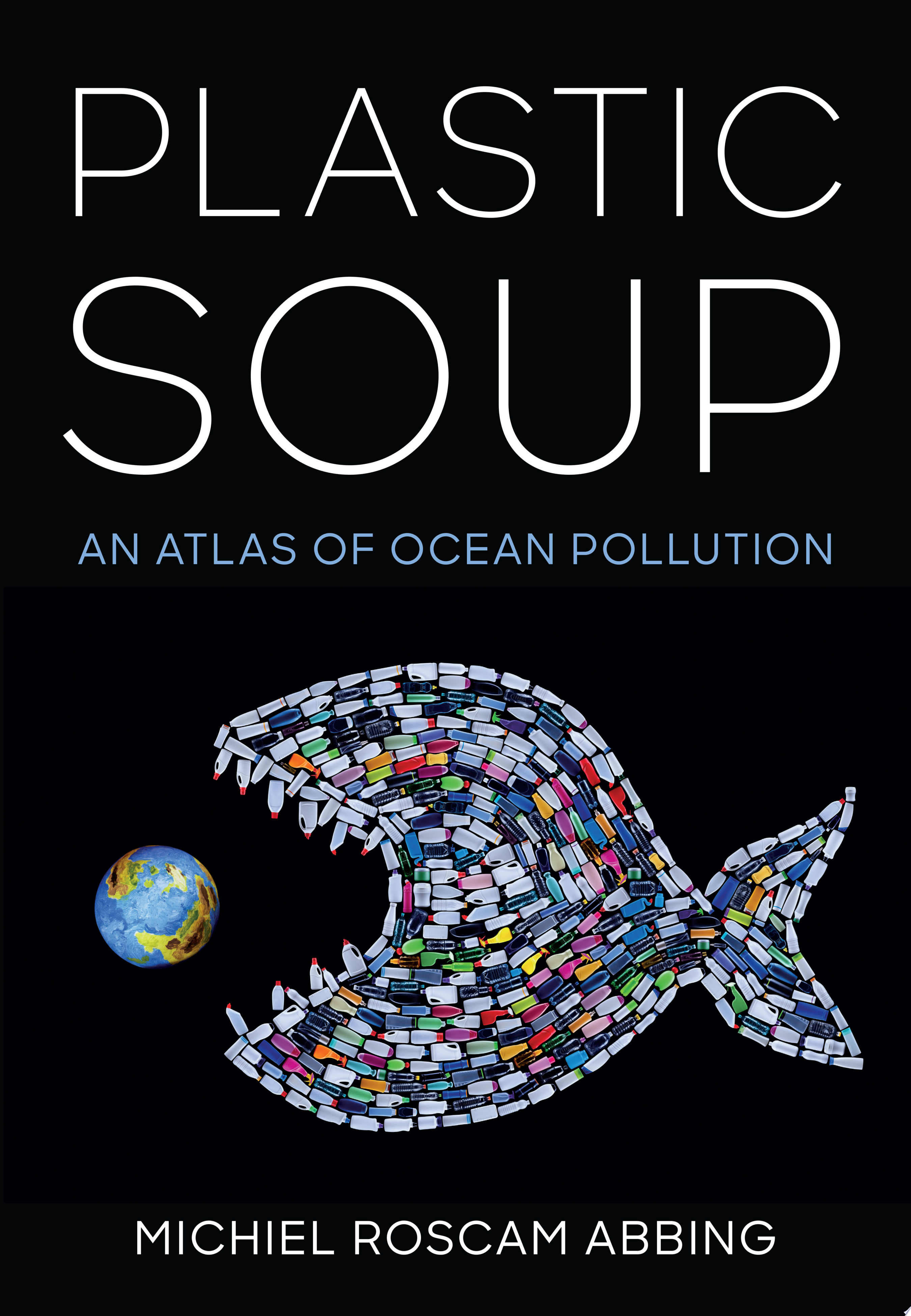
Plastic Soup

Michiel Roscam Abbing

Plastics have transformed every aspect of our lives. Yet the very properties that make them attractive—they are cheap to make, light, and durable—spell disaster when trash makes its way into the environment. Plastic Soup: An Atlas of Ocean Pollution is a beautifully-illustrated survey of the plastics clogging our seas, their impacts on wildlife and people around the world, and inspirational initiatives designed to tackle the problem. 

In Plastic Soup, Michiel Roscam Abbing of the Plastic Soup Foundation reveals the scope of the issue: plastic trash now lurks on every corner of the planet. With striking photography and graphics, Plastic Soup brings this challenge to brilliant life for readers. Yet it also sends a message of hope; although the scale of the problem is massive, so is the dedication of activists working to check it. Plastic Soup highlights a diverse array of projects to curb plastic waste and raise awareness, from plastic-free grocery stores to innovative laws and art installations. 

According to some estimates, if we continue on our current path, the oceans will contain more plastic than fish by the year 2050. Created to inform and inspire readers, Plastic Soup is a critical tool in the fight to reverse this trend.
 

View Details >>

Plastic Ocean

Charles Moore

A prominent seafaring environmentalist and researcher shares his shocking discovery of the Great Pacific Garbage Patch in the Pacific Ocean, and inspires a fundamental rethinking of the Plastic Age and a growing global health crisis.

In the summer of 1997, Charles Moore set sail from Honolulu with the sole intention of returning home after competing in a trans-Pacific race. To get to California, he and his crew took a shortcut through the seldom-traversed North Pacific Subtropical Gyre, a vast "oceanic desert" where winds are slack and sailing ships languish. There, Moore realized his catamaran was surrounded by a "plastic soup." He had stumbled upon the largest garbage dump on the planet-a spiral nebula where plastic outweighed zooplankton, the ocean's food base, by a factor of six to one.

In Plastic Ocean, Moore recounts his ominous findings and unveils the secret life and hidden properties of plastics. From milk jugs to polymer molecules small enough to penetrate human skin or be unknowingly inhaled, plastic is now suspected of contributing to a host of ailments including infertility, autism, thyroid dysfunction, and some cancers. A call to action as urgent as Rachel Carson's seminal Silent Spring, Moore's sobering revelations will be embraced by activists, concerned parents, and seafaring enthusiasts concerned about the deadly impact and implications of this man made blight.

View Details >>

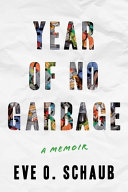
Year of No Garbage

Eve O. Schaub

"Eve’s brave and honest experiment reveals the shocking impact of the throwaway society we’ve become and at the same time showing small ways we can all do better.” —Rebecca Prince-Ruiz, founder of Plastic Free July

Year of No Garbage is Super Size Me meets the environmental movement. 

In this book Eve O. Schaub, humorist and stunt memoirist extraordinaire, tackles her most difficult challenge to date: garbage. Convincing her husband and two daughters to go along with her, Schaub attempts the seemingly impossible: living in the modern world without creating any trash at all. For an entire year. And- as it turns out- during a pandemic. 

In the process, Schaub learns some startling things: that modern recycling is broken, and single stream recycling is a lie. That flushable wipes aren’t flushable and compostables aren’t compostable. That plastic drives climate change, fosters racism, and is poisoning the environment and our bodies at alarming rates, as microplastics are being found everywhere, from the top of Mount Everest to the placenta of unborn babies.  
If you’ve ever thought twice about that plastic straw in your drink, you’re gonna want to read this book.

View Details >>

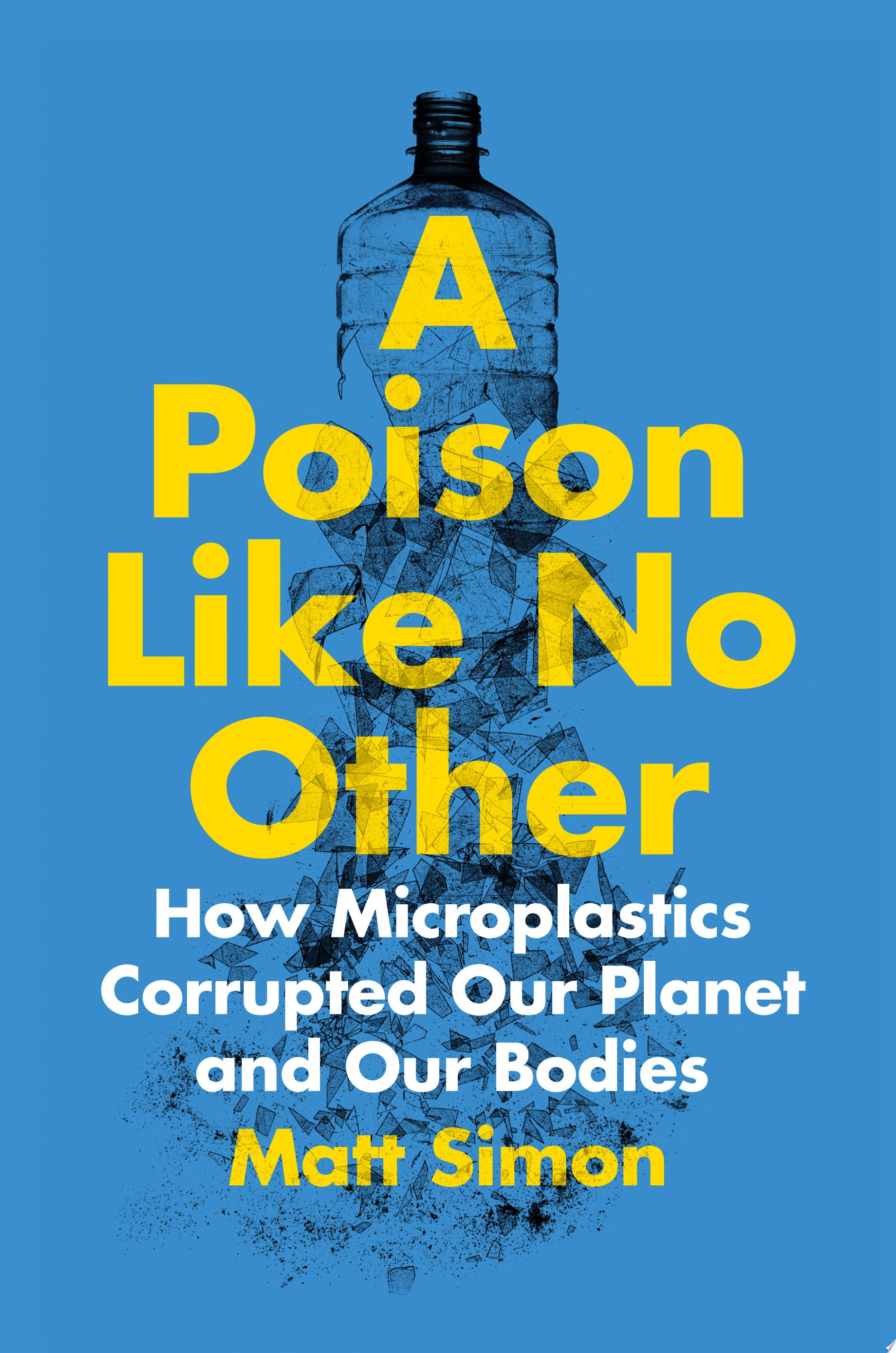
A Poison Like No Other

Matt Simon

“Informed, utterly blindsiding account.” - Booklist, starred review

It’s falling from the sky and in the air we breathe. It’s in our food, our clothes, and our homes. It’s microplastic and it’s everywhere—including our own bodies. Scientists are just beginning to discover how these tiny particles threaten health, but the studies are alarming.

In A Poison Like No Other, Matt Simon reveals a whole new dimension to the plastic crisis, one even more disturbing than plastic bottles washing up on shores and grocery bags dumped in landfills. Dealing with discarded plastic is bad enough, but when it starts to break down, the real trouble begins. The very thing that makes plastic so useful and ubiquitous – its toughness – means it never really goes away. It just gets smaller and smaller: eventually small enough to enter your lungs or be absorbed by crops or penetrate a fish’s muscle tissue before it becomes dinner.

Unlike other pollutants that are single elements or simple chemical compounds, microplastics represent a cocktail of toxicity: plastics contain at least 10,000 different chemicals. Those chemicals are linked to diseases from diabetes to hormone disruption to cancers.

A Poison Like No Other is the first book to fully explore this new dimension of the plastic crisis, following the intrepid scientists who travel to the ends of the earth and the bottom of the ocean to understand the consequences of our dependence on plastic. As Simon learns from these researchers, there is no easy fix. But we will never curb our plastic addiction until we begin to recognize the invisible particles all around us. 
 

View Details >>

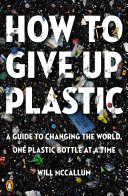
How to Give Up Plastic

Will McCallum

An accessible guide to the changes we can all make—small and large—to rid our lives of disposable plastic and clean up the world’s oceans

How to Give Up Plastic is a straightforward guide to eliminating plastic from your life. Going room by room through your home and workplace, Greenpeace activist Will McCallum teaches you how to spot disposable plastic items and find plastic-free, sustainable alternatives to each one. From carrying a reusable straw, to catching microfibers when you wash your clothes, to throwing plastic-free parties, you’ll learn new and intuitive ways to reduce plastic waste. And by arming you with a wealth of facts about global plastic consumption and anecdotes from activists fighting plastic around the world, you’ll also learn how to advocate to businesses and leaders in your community and across the country to commit to eliminating disposable plastics for good.

It takes 450 years for a plastic bottle to fully biodegrade, and there are around 12.7 million tons of plastic entering the ocean each year. At our current pace, in the year 2050 there could be more plastic in the oceans than fish, by weight. These are alarming figures, but plastic pollution is an environmental crisis with a solution we can all contribute to.

View Details >>

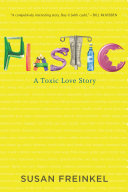
Plastic

Susan Freinkel

Plastic built the modern world. Where would we be without bike helmets, baggies, toothbrushes, and pacemakers? But a century into our love affair with plastic, we're starting to realize it's not such a healthy relationship. Plastics draw on dwindling fossil fuels, leach harmful chemicals, litter landscapes, and destroy marine life. As journalist Susan Freinkel points out in this engaging and eye-opening book, we're nearing a crisis point. We've produced as much plastic in the past decade as we did in the entire twentieth century. We're drowning in the stuff, and we need to start making some hard choices. 

Freinkel gives us the tools we need with a blend of lively anecdotes and analysis. She combs through scientific studies and economic data, reporting from China and across the United States to assess the real impact of plastic on our lives. She tells her story through eight familiar plastic objects: comb, chair, Frisbee, IV bag, disposable lighter, grocery bag, soda bottle, and credit card. Her conclusion: we cannot stay on our plastic-paved path. And we don't have to. Plastic points the way toward a new creative partnership with the material we love to hate but can't seem to live without.


View Details >>

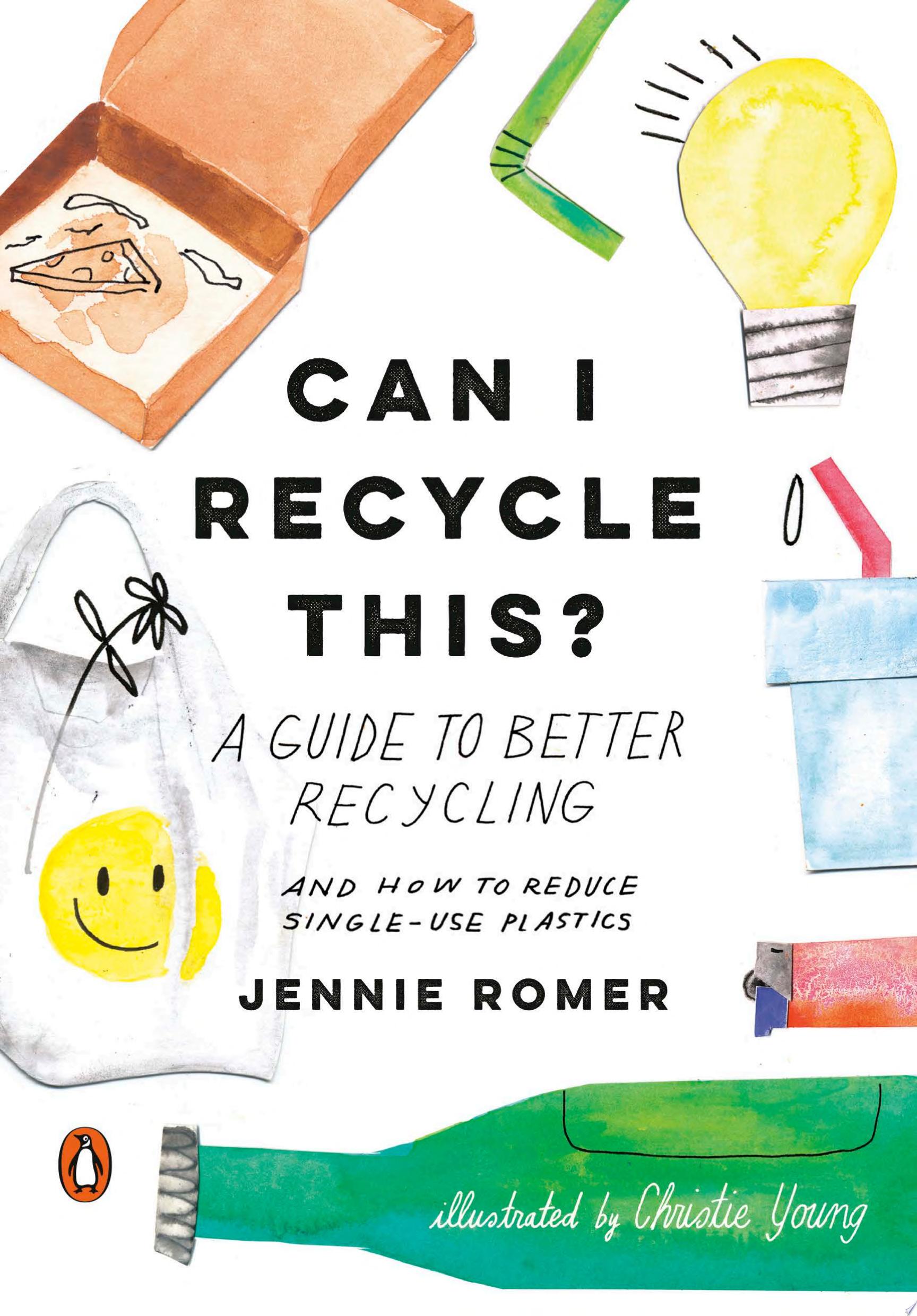
Can I Recycle This?

Jennie Romer

“If you’ve ever been perplexed by the byzantine rules of recycling, you’re not alone…you’ll want to read Can I Recycle This?... An extensive look at what you can and cannot chuck into your blue bin.” —The Washington Post

The first illustrated guidebook that answers the age-old question: Can I Recycle This?

Since the dawn of the recycling system, men and women the world over have stood by their bins, holding an everyday object, wondering, "can I recycle this?" This simple question reaches into our concern for the environment, the care we take to keep our homes and our communities clean, and how we interact with our local government. Recycling rules seem to differ in every municipality, with exceptions and caveats at every turn, leaving the average American scratching her head at the simple act of throwing something away. Taking readers on a quick but informative tour of how recycling actually works (setting aside the propaganda we were all taught as kids), Can I Recycle This gives straightforward answers to whether dozens of common household objects can or cannot be recycled, as well as the information you need to make that decision for anything else you encounter. 

Jennie Romer has been working for years to help cities and states across America better deal with the waste we produce, helping draft meaningful legislation to help communities better process their waste and produce less of it in the first place. She has distilled her years of experience into this non-judgmental, easy-to-use guide that will change the way you think about what you throw away and how you do it.

View Details >>

What Milly Did

Elise Moser

The extraordinary story of the woman who made plastics recycling possible.

Milly Zantow wanted to solve the problem of her town's full landfill and ended up creating a global recycling standard -- the system of numbers you see inside the little triangle on plastics. This is the inspiring story of how she mobilized her community, creating sweeping change to help the environment.

On a trip to Japan in 1978, Milly noticed that people were putting little bundles out on the street each morning. They were recycling -- something that hadn't taken hold in North America. When she returned to Sauk City, Wisconsin, she discovered that her town's landfill was nearing capacity, and that plastic made up a large part of the garbage. No one was recycling plastics.

Milly decided to figure out how. She discovered that there are more than seven kinds of plastic, and they can't be combined for recycling, so she learned how to use various tests to identify them. Then she found a company willing to use recycled plastic, but the plastic would have to be ground up first.

Milly and her friend bought a huge industrial grinder and established E-Z Recycling. They worked with local school children and their community, and they helped other communities start their own recycling programs. But Milly knew that the large-scale recycling of plastics would never work unless people could easily identify the seven types. She came up with the idea of placing an identifying number in the little recycling triangle, which has become the international standard.

Milly's story is a glimpse into the early days of the recycling movement and shows how, thanks to her determination, hard work and community-building, huge changes took place, spreading rapidly across North America.

Correlates to the Common Core State Standards in English Language Arts:

CCSS.ELA-LITERACY.RI.3.3

Describe the relationship between a series of historical events, scientific ideas or concepts, or steps in technical procedures in a text, using language that pertains to time, sequence, and cause/effect.

CCSS.ELA-LITERACY.RI.4.7

Interpret information presented visually, orally, or quantitatively (e.g., in charts, graphs, diagrams, time lines, animations, or interactive elements on Web pages) and explain how the information contributes to an understanding of the text in which it appears.

View Details >>

Can I Recycle This?

Jennie Romer

You probably know that you're supposed to recycle—but you may not know how or why. This adaptation of the successful adult book, written by a lawyer and sustainability expert, will answer all your recycling questions.

Can I Recycle This? skips over preaching and platitudes common to books on environmentalism and instead gets right to the real information that kids need.

It takes readers through every step of the recycling process, from the moment that they throw an item in the bin to its journey through the recycling machinery and on its way to its new life. It gives kids the answers and resources they need to be far better informed than their parents, many of whom were raised on the un-nuanced and often inaccurate "recycling solves everything" mantra. It shows how sorting concepts that kids already know and practice can be applied to waste. And it empowers even early elementary school children to make smarter choices about consumption and disposal, using ideas and examples that they can understand.

Adapted from the adult nonfiction book of the same title, Can I Recycle This? is a both fun and educational book to teach the littlest readers the hows and whys of recycling, and to introduce them to the responsibility that we all have to protect the environment.

A Junior Library Guild selection!

View Details >>