
Spring is in full swing and it’s time to plant some vegetables, flowers and herbs. Whether you have a large garden or just a couple of pots on your patio, everyone can harness the power of plants.
Studies have shown that growing and tending plants can have mental health benefits like reducing stress.
Please visit our Seed Library this month and select some varieties to grow. At the end of the season, you can save seeds from your harvest and donate them back to the library. Our Propagation Station may interest you as well. It’s a place to share houseplant cuttings: Leave a cutting, take a cutting.
Our adult Take & Make craft this month will enhance your growing space. Create markers to help label your garden rows or pots.
We also know that eating a plant-based diet is good for the environment as well as your health. Chef Kathryn is here on May 15 with Plants on Your Plate, a cooking class illustrating the benefits of vegetables, legumes and grains.
In organic gardening expert Renato’s class on May 14, you will follow the Story of Food as it makes its way from the soil to your table. He will discuss composting methods and plant starts as well as canning and food storage.
Children can become little botanists on May 17 as they learn about the life cycles of plants (plus worms and composting!) with the experts from the Suffolk County Farm. On May 28, teens can create a one-of-a-kind pot and take home a plant to care for.
Finally, the folks from Citizens Campaign for the Environment will be here on May 13 to lead a community discussion about climate change and how it effects our surroundings.
There are many ways to embrace “plant power” this month, and we hope you’ll join us!
Upcoming Events
Join designer Elizabeth and learn how to create these sweet giving cards or tags inspired by nature.
Tweens and Teens are invited to drop into the YA Library to play on a variety of video gaming systems setup with preselected games. This will not be a quiet library night! No registration required.
Help us bring attention to cat and kitten adoption by decorating a tote bag for a new cat owner. Make one tote and earn a maximum of one hour of community service. For SHPL cardholders in grades 6-12. No registration required.
Are you providing care for someone with Alzheimer's Disease or another dementia? You DO NOT have to meet the challenges alone! Join the Alzheimer's Disease Resource Center (ADRC) for their monthly caregiver support group.
Recommended Reads
-
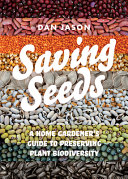
Saving Seeds
Much of our food comes from seeds. But where do our seeds come from? And where are they going? For much of human history, farmers saved their own seed stocks to ensure a good harvest from year to year. In the mid-twentieth century, governments became involved in seed saving, creating massive seed libraries cataloguing thousands of varieties. This biodiversity has come under attack in recent decades, as corporations have replaced heirloom varieties with genetic engineering and costly trademarks. In such an agricultural climate, saving seeds becomes both a practical act of preservation and powerful act of protest.
Over half of Canadian households grow fruits, herbs, vegetables or flowers for personal use, according to Statistics Canada. And each of these home gardens has the potential to preserve vital biodiversity, if only we would let plants go to seed, harvest and preserve them. Saving Seeds is a clear and winsome introduction to the essentials of seed saving, from seed selection criteria to harvest and storage tips. It also addresses the role of seed-saving communities: local swaps, seed companies, friends and neighbours and even how the Internet can support this time-honoured practice.
In an era of community gardens, farmers markets and renewed interest in heirloom species, Saving Seeds is a timely call to ensure a more secure future for our seeds and ourselves.
-
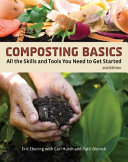
Composting Basics
How to recycle household waste to make quality compost You don't need a science degree or a shed full of sophisticated equipment to make quality compost. What you need to get started is the know-how provided in this basic how-to book along a little elbow grease and the pile of organic materials you regularly throw away. Nature does the rest. Whether you live in the suburbs, country, or city, whether you have a garden or not, you can recycle household waste in an environmentally friendly way and turn it into black gold: compost. You'll learn what and how to compost, how to make or buy bins, how to build a compost pile and make compost tea, and how to compost with worms. It's simple and easy to do, and the best part is that you'll be saving money and helping to save the earth as well.
-
Compost
Set your family on the path to a planet-friendly lifestyle with this fun guide to compost--what it is, how to make it, how to maintain it. Includes games, stickers, and more!
Teach your kids that composting is fun with this funky guide that takes you from the nitty-gritty of compost composition and care to Worms and Ladders, a fresh take on a traditional board game. Find out the rules for setting up your very own Worm Lovers' Society, learn all about the garden-to-plate cycle together, and get your family's feet firmly set on the road to a planet-friendly lifestyle. Includes information on both kitchen and garden composting. -
Plant, Sow, Make and Grow
Get little gardeners growing and learning with this beautifully illustrated book, packed with information and crafty stuff to do. Help them to discover that gardening can be simple and uncomplicated with very little equipment and prior knowledge needed. It often is as simple as having some seeds, a patch of soil or a container and having a go. As well as gaining a new hobby, there will be extra motivation to eat up the veggies after growing and picking them and the simple pleasure of spending time together outside. With sections based on the cycle of the seasons, the pages are packed with ideas of what to grow, how to sow seeds and useful harvesting information. Also included are tips about what wildlife you may see, raiding your recycling box to make some useful gardening accessories, and other decorative craft activities.
-
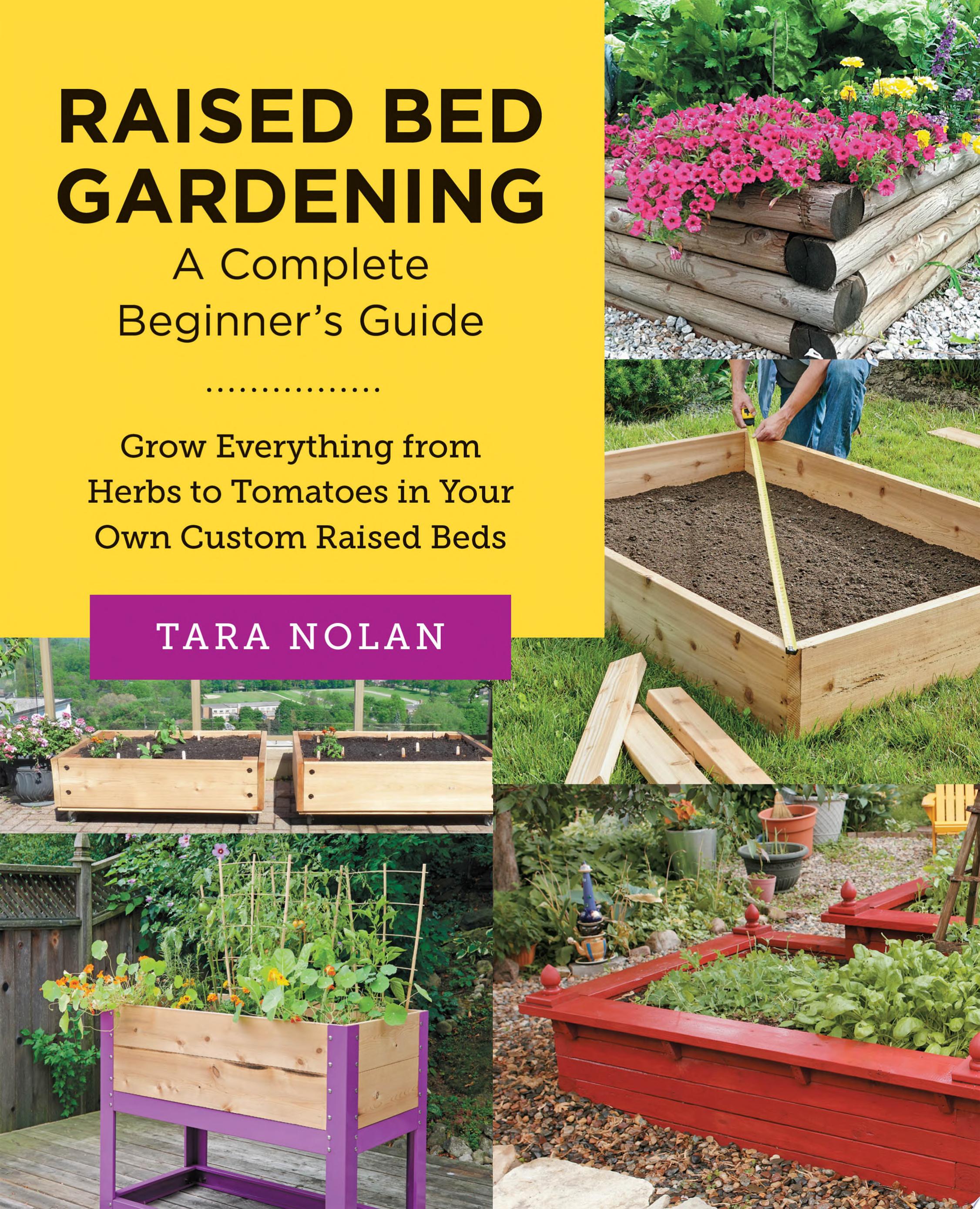
Raised Bed Gardening: A Complete Beginner's Guide
Are you eager to step into vegetable gardening but don’t know where to start? With this guide to the nearly foolproof raised-bed technique, you’ll be growing your own organic food in no time.
Growing your own food is a satisfying experience as well as an investment that will pay you and the community back in a myriad of ways, including benefits for the earth, greater food security, and better health. But where do you start and what is the best way to approach creating a garden and growing food?
The raised bed gardening technique, used by successful food gardeners for centuries, is simple and can be done pretty much anywhere. Building beds allows you to bring in the right materials, which might not exist in your own environment, and grow your own food year-round, if you so choose—no matter where you live. So whether your outdoor space is big or small, raised beds are the best choice for your first vegetable garden. Some water and a little love and attention is all you need be successful.
In Raised Bed Gardening: A Complete Beginner’s Guide, you will learn everything you need to know to prepare and execute your garden plan and grow and harvest your produce. The book includes:
- Plans for building quick-and-simple beds that you can make yourself with a few common tools
- Details on how to build the right soil mix to fill your beds
- List of the easiest plants to grow as a beginner
- Plant information, along with which plants work best with other plants
- Planting advice, including spacing instructions
- Advice on mulch, watering, and fertilizing
- Organic pest control
- How to harvest and store your produce
- How to get the most out of your raised bed space
So get started on your path to becoming a gardener. No matter what your level of confidence, this book will give you the information and tools you need to succeed. -
Martha Stewart's Gardening Handbook
An instant New York Times Bestseller
"If you want to be happy for a year, get married. If you want to be happy for a decade, get a dog. And if you want to be happy for the rest of your life, make a garden."
--Martha Stewart, Martha Netflix Documentary
The first fully comprehensive gardening guide from the legendary Martha Stewart in more than 30 years, with everything you need to know to curate a beautiful, thriving garden
Master the art of gardening with Martha Stewart's Gardening Handbook: an in-depth guide that will teach you the knowledge and skills to cultivate a flourishing garden. From understanding soil composition to learning about different types of plants and gardening methods, you'll discover the secrets to creating a stunning outdoor oasis.
Martha covers:
- the nuances of careful planning
- soil testing
- drainage
- watering and rainfall
- understanding plant hardiness zones
- the art of choosing the healthiest plants for your specific climate
Plus, all different kinds of plants like:
- annuals, perennials, and bulbs
- succulents and cacti
- vegetable and herb gardens
- trees and shrubs
From designing your garden to selecting the right varieties for your region, this manual has every detail covered. Whether you're a green thumb or a gardening novice, this gorgeous book, filled with practical tips, stunning images (many from Martha's personal gardens), and detailed explanations, will arm you with the knowledge to help your garden thrive. As Martha likes to say, gardening is a never-ending opportunity for growth.
-
The Curious Kitchen Gardener
Enjoy a whole new tasty cuisine using unexpected ingredients you can find in your own garden, from a Master Food Preserver and Gardener.
The Curious Kitchen Gardener is for cooks and gardeners interested in bringing novelty and variety into their lives and homes. It follows each season of planting and harvesting--featuring nearly 35 often overlooked edibles, with illustrations, and a delicious recipe for each, encouraging us to see our gardens as an integrated whole and a year-round practice. Calling upon decades of Master Gardener and Master Food Preserver experience, Linda Ziedrich includes fascinating cultural context and personal connections to each plant. The result is the story of how and why an adventurous gardener cultivated a unique cuisine for herself and her family--and how you can too. -

Growing Green: a First Book of Gardening
Dig in to a fun and stylish collection of sixteen step-by-step edible gardening projects for young children.
From strawberries in galoshes to herbs in recycled tin cans, this easy-to-follow gardening book contains fifteen simple (and delicious!) projects for budding young gardeners. Kids can learn all they need to know to grow their own fruit, herbs, and vegetables in whatever space they have at home, whether it be a windowsill or yard. Bright, engaging illustrations and clear instructions make this a great gift for any young child curious about where their food comes from and eager to grow some delectables themselves. -
How Do Seeds Grow Into Gardens?
Have you ever wondered how entire gardens can grow from teeny tiny seeds? A basic explanation of growing popular vegetables, the plant life cycle, and unique gardening methods is explored through simple diagrams, hilarious illustrations, and informative and engaging text in this exciting gardening adventure. Includes fun gardening activities and a glossary!
About the How Do series: These fully-illustrated nonfiction picture books are a great introduction to various STEM topics. Each title includes facts and figures, simple diagrams and hilarious illustrations and is written in a question-and-answer format to encourage readers to ask questions and guess the answers before exploring the science behind the correct response.