
July: Sustainable Transportation
On car-centric Long Island, it is difficult to use other modes of transportation, so kudos to those who take the LIRR instead of driving – whether it’s to work or a concert or a baseball game.
One option is to consider purchasing an electric vehicle. On July 22 at 7 p.m., the good folks from Electric LI will be here with everything to need to know to decide if an EV is right for you. They’ll even bring an EV or two so you can see them up close and chat with the owners. CLICK HERE to register.
And if you decide to go electric, the library has your back: We have installed four EV charging stations in our side parking lot so you can recharge during your visit. There is a fee to use the stations; simply download the ChargePoint app.
August: Water Conservation
When our plants are wilting in typically hot, dry August, it’s hard to think about conserving water. But here on Long Island, where we get our water from underground aquifers, it’s an important consideration.
A good option is to create an environment around your home that needs less water to begin with. On Aug. 14 at 2 p.m., the experts from Cornell Cooperative Extension will be here to discuss how to create a rain garden. CLICK HERE for more information.
On August 5, kids can learn about the water cycle, the state of our fresh water resources globally and what they can do to help conserve water. CLICK HERE to register.
Please be thoughtful about how and when you water your landscape. Even small efforts, like turning off the water while you’re brushing your teeth, can go a long way to save this precious commodity.
The South Huntington Water District has a terrific website (https://www.shwd.org/) with information about our water supply, and there’s a whole section on conservation tips and advice. Just think – you’ll not only be conserving water, you’ll be saving money!
Upcoming Events
Join designer Elizabeth and learn how to create these sweet giving cards or tags inspired by nature.
Tweens and Teens are invited to drop into the YA Library to play on a variety of video gaming systems setup with preselected games. This will not be a quiet library night! No registration required.
Help us bring attention to cat and kitten adoption by decorating a tote bag for a new cat owner. Make one tote and earn a maximum of one hour of community service. For SHPL cardholders in grades 6-12. No registration required.
Are you providing care for someone with Alzheimer's Disease or another dementia? You DO NOT have to meet the challenges alone! Join the Alzheimer's Disease Resource Center (ADRC) for their monthly caregiver support group.
Recommended Reads
-
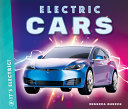
Electric Cars
This series explores electric cars, including why they are necessary, how they work, and the latest developments in the industry. A brief history of electric cars is included, and top builders, models, and market technologies are highlighted. Aligned to Common Core standards and correlated to state standards. Big Buddy Books is an imprint of Abdo Publishing, a division of ABDO.
-
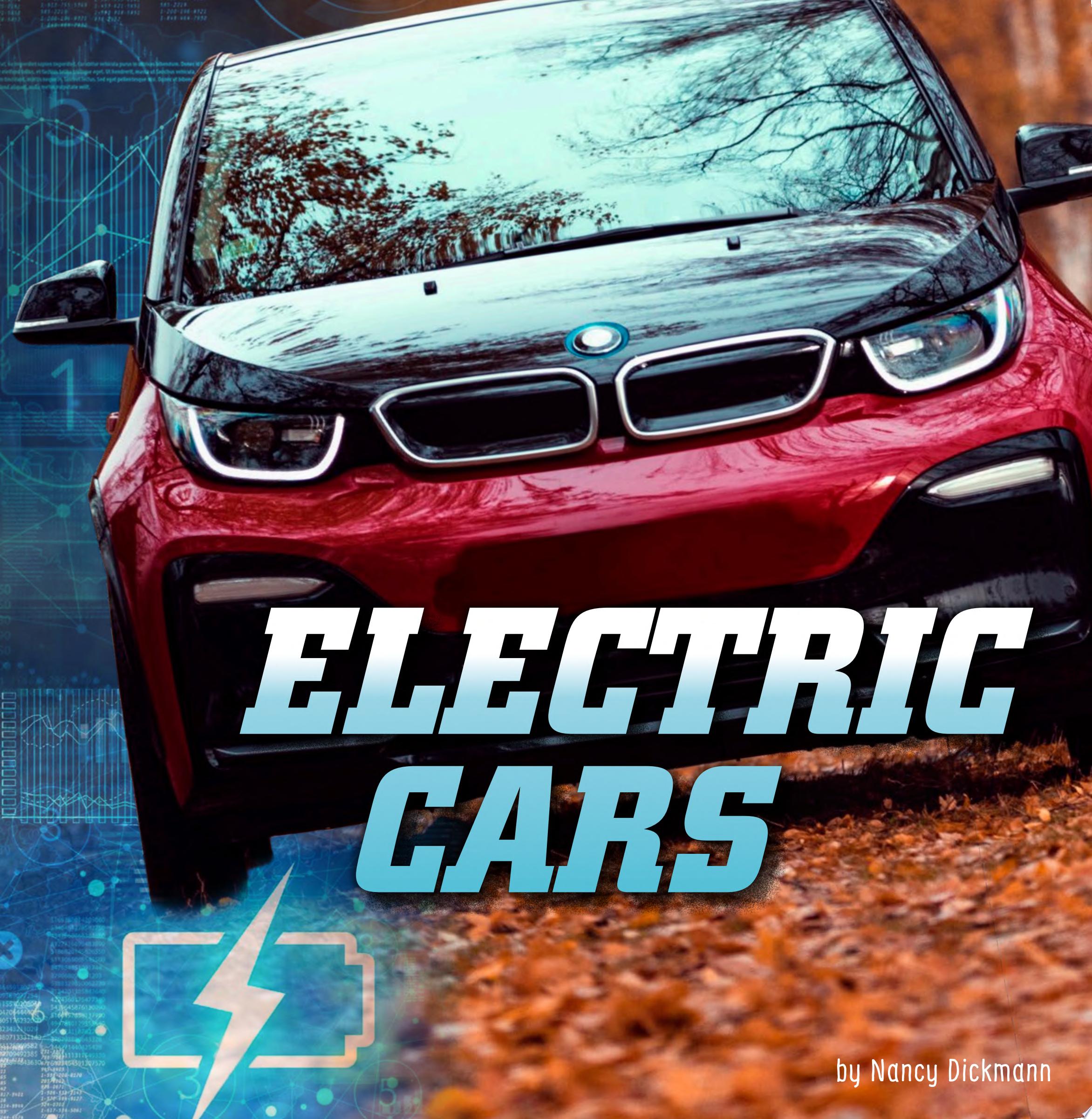
Electric Cars
A car zips down the street. But you don't hear the engine rumbling. Why? It's an electric car! Electric cars are becoming more common around the world. Young readers will get a basic introduction to the main parts of these vehicles. They will see how electric cars are different from gas-powered vehicles and why electric cars are better for the environment. Get young readers excited about electric vehicles!
-
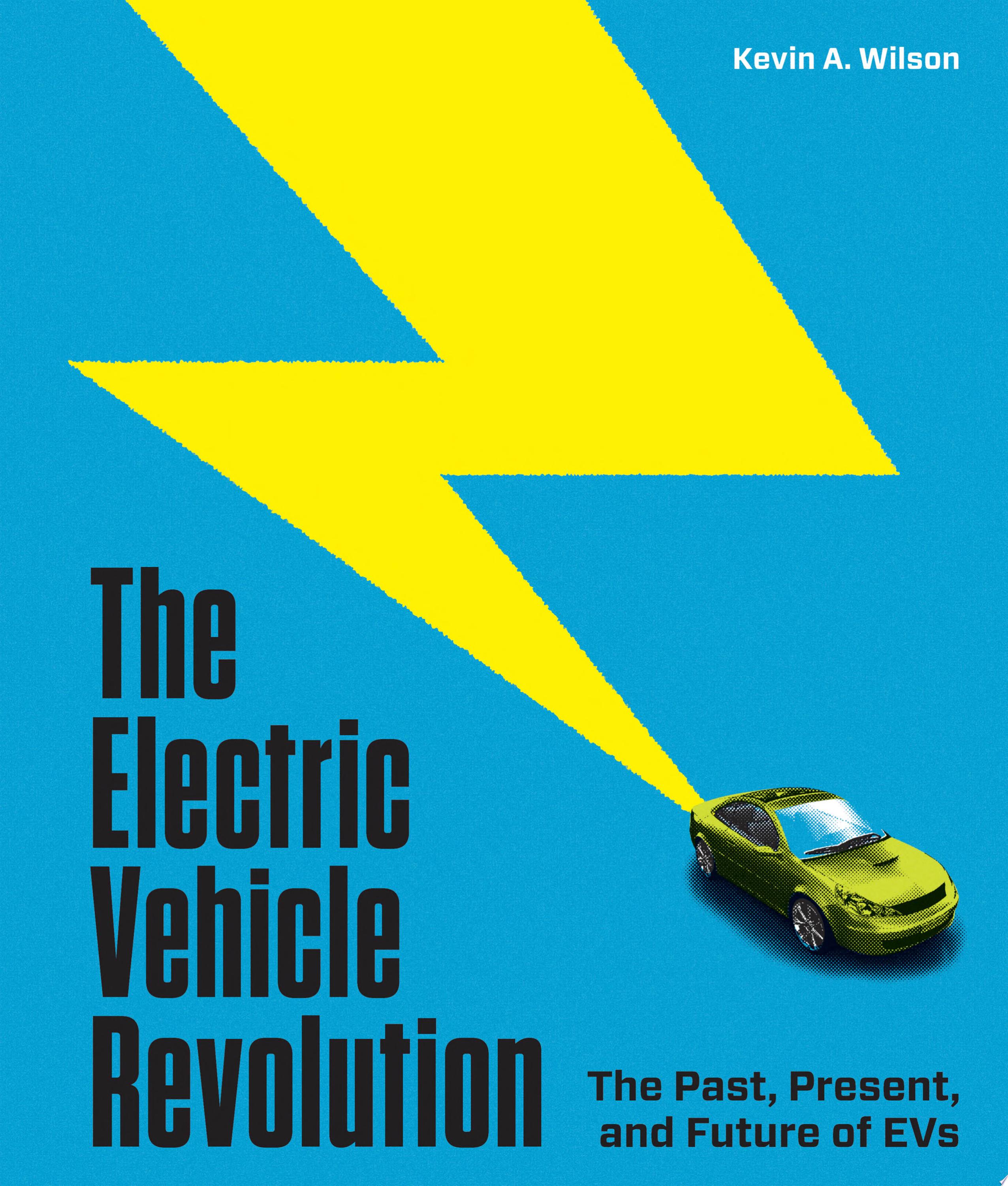
The Electric Vehicle Revolution
Explore the fascinating, evolving world of electric vehicles, from the first EVs in the Victorian era to their rapid expansion today—and beyond.
In The Electric Vehicle Revolution, automotive journalist Kevin Wilson provides a thorough, engaging overview of where EV technology is today, how it got there, and where it’s going. Since the turn of the twenty-first century, EVs have gone from wonky who-cares vehicles like GM’s EV1 and early Teslas to every manufacturer's must-have future.
Electric propulsion preceded fossil-fuel cars by decades and even vied for prominence in the early twentieth century auto industry against both steam power and internal combustion engines. From Electrobat (an early New York taxi fleet) through Columbia—which had built 1,000 electric cars before either Henry Ford or Ransom Olds had built a single gasoline car—viable business start-ups in the early auto age were as competitive and innovative as those in early twenty-first century Silicon Valley.
But it was not to be for electric cars in the early days of the 1900s, as the auto industry evolved to favor gasoline cars, thanks in part to the influence of the oil industry and the build-out of infrastructure to supply fuel across the country.
Gas-powered cars may have won the day, but post-WWII experiments with electric cars continued both within the established auto industry and from outside firms and visionaries, including cars developed by General Electric, Sears, and the Henney Kilowatt, alongside Ford and GM experimentals.
Rapidly evolving electronic technology beginning in the 1960s, along with growing concerns about emissions and pollution, set the stage for renewed interest in electric cars. Improved batteries for cellphones/laptops, electronic controls, computing, and beyond provided the impetus for a wave of more sophisticated and feasible electric vehicles, including GM’s EV1 and the first Teslas.
Elon Musk’s Tesla Motors proves the auto industry disruptor and sets the stage for responses by the mainstream auto industry, including Nissan’s Leaf, Chevrolet’s Bolt, and a host of high-end EVs from company’s like Audi, Jaguar, and the like. Rival start-ups step in as well and government incentives, subsidies, and regulatory demands all drive unprecedented development.
Today, the rush to electrify has nations and companies competing to see who can declare the earliest end to internal combustion engines, but this radical transition won’t be as easy as throwing a switch. The Electric Vehicle Revolution thoroughly explores the challenges of infrastructure, battery and vehicle tech, and the cost to consumers, as well as the long phase-in as EVs are set to replace existing gas cars over decades.
Whether you embrace EVs or have gasoline in your veins, The Electric Vehicle Revolution provides a fascinating, engaging, and stunningly illustrated overview of where the car world is today and where it’s headed for the future. -
The Powerhouse
A Soul of a New Machine for our time, a gripping account of invention, commerce, and duplicity in the age of technology
A worldwide race is on to perfect the next engine of economic growth, the advanced lithium-ion battery. It will power the electric car, relieve global warming, and catapult the winner into a new era of economic and political mastery. Can the United States win?
Steve LeVine was granted unprecedented access to a secret federal laboratory outside Chicago, where a group of geniuses is trying to solve this next monumental task of physics. But these scientists almost all foreign born are not alone. With so much at stake, researchers in Japan, South Korea, and China are in the same pursuit. The drama intensifies when a Silicon Valley start-up licenses the federal laboratory s signature invention with the aim of a blockbuster sale to the world s biggest carmakers.
The Powerhouse is a real-time, two-year thrilling account of big invention, big commercialization, and big deception. It exposes the layers of competition and ambition, aspiration and disappointment behind this great turning point in the history of technology." -
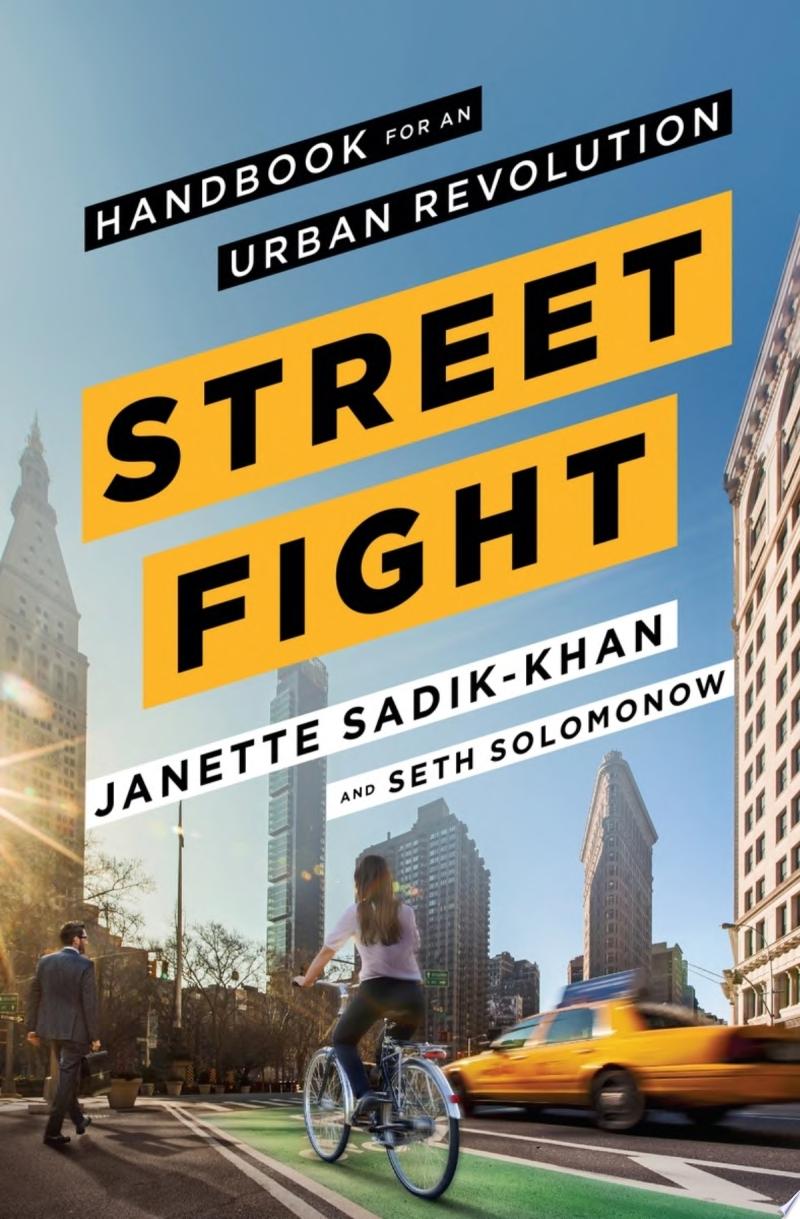
Streetfight
An empowering road map for rethinking, reinvigorating, and redesigning our cities, from a pioneer in the movement for safer, more livable streets
As New York City's transportation commissioner, Janette Sadik-Khan managed the seemingly impossible and transformed the streets of one of the world's greatest, toughest cities into dynamic spaces safe for pedestrians and bikers. Her approach was dramatic and effective: Simply painting a part of the street to make it into a plaza or bus lane not only made the street safer, but it also lessened congestion and increased foot traffic, which improved the bottom line of businesses. Real-life experience confirmed that if you know how to read the street, you can make it function better by not totally reconstructing it but by reallocating the space that's already there.
Breaking the street into its component parts, Streetfight demonstrates, with step-by-step visuals, how to rewrite the underlying "source code" of a street, with pointers on how to add protected bike paths, improve crosswalk space, and provide visual cues to reduce speeding. Achieving such a radical overhaul wasn't easy, and Streetfight pulls back the curtain on the battles Sadik-Khan won to make her approach work. She includes examples of how this new way to read the streets has already made its way around the world, from pocket parks in Mexico City and Los Angeles to more pedestrian-friendly streets in Auckland and Buenos Aires, and innovative bike-lane designs and plazas in Austin, Indianapolis, and San Francisco. Many are inspired by the changes taking place in New York City and are based on the same techniques. Streetfight deconstructs, reassembles, and reinvents the street, inviting readers to see it in ways they never imagined. -
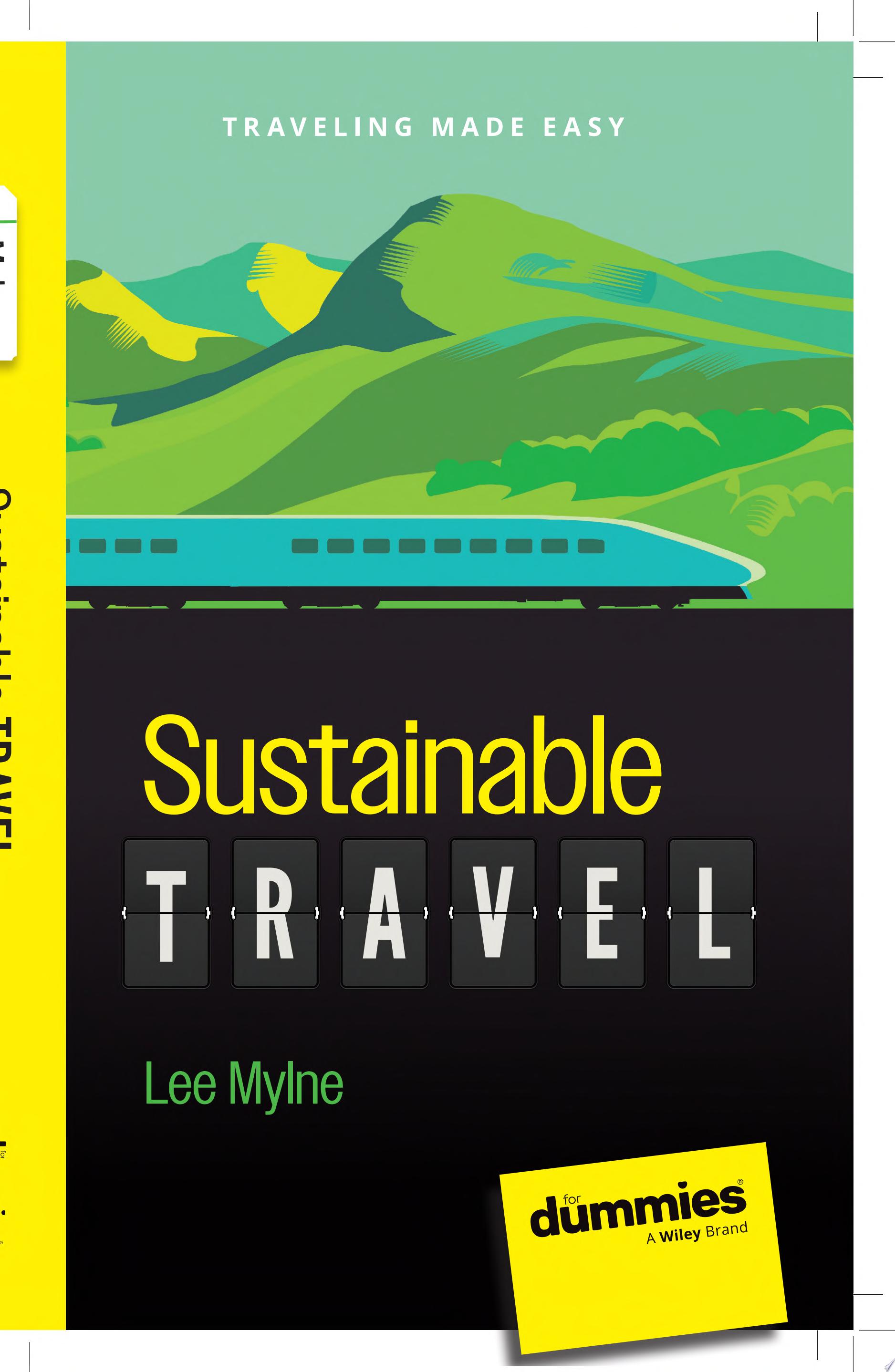
Sustainable Travel For Dummies
How to travel lightly across planet Earth
Sustainable Travel For Dummies is for travelers of all ages and budgets who want to reduce their carbon footprints, respect and protect the planet, contribute to local economies, and incorporate conservation into their travel experiences. That’s you! This easy-to-read guide shows you what sustainable travel is, why it’s important, and how to do it—with no travel shaming. Award-winning travel journalist Lee Mylne brings a global perspective on fun ways to travel responsibly. A must-have resource for globetrotters and for those whose travels keep them close to home, this book covers alternative transportation, unique accommodations, fulfilling cultural experiences, everything else the eco-savvy traveler needs to know.
- Discover how to plan eco-friendly trips to destinations near and far
- Reduce your carbon footprint while still enjoying life-affirming experiences
- Learn about alternative methods of transportation and sustainable accommodations
- Gain cultural awareness and get fun ideas for making the most of your travel
Sustainable Travel For Dummies is an inspiring read for travelers who are new to sustainable and ethical travel and seeking practical tips for eco-conscious wandering.
-
Earth-Friendly Transportation
This book examines how transportation affects the environment, as well as what people are doing to make transportation more Earth-friendly. This book also includes a table of contents, fun facts, a "That's Amazing!" special feature, quiz questions, a glossary, additional resources, and an index. This Focus Readers title is at the Beacon level, aligned to reading levels of grades 2-3 and interest levels of grades 3-5.
-
Green Transportation
Explore how technology can make travel more eco-friendly in this STEM-based book for kids!
Electric cars. Solar-powered planes. Poop-fueled trucks. Each of these technological advances in transportation is bringing us ever closer to a green future, and more are being developed all the time. Considering how many vehicles are on our roads--and in the water and air--sustainable transportation might be the most important innovation we can make to ensure our planet's future. Learn how in Green Transportation.
ABOUT THIS SERIES:
What would a green future look like? Will trains and airplanes be powered by the sun? Will we have homes that have zero impact on the environment? The most pressing challenge facing us today is how to ensure a healthy Earth for ourselves and future generations. This STEM-based set of A True Books introduces students to the engineering innovations that can help us reach those goals. Interesting information is presented in a fun, friendly way--and in the simplest terms possible--and will inspire kids to start envisioning and enacting a more sustainable future.